A match is not a verdict
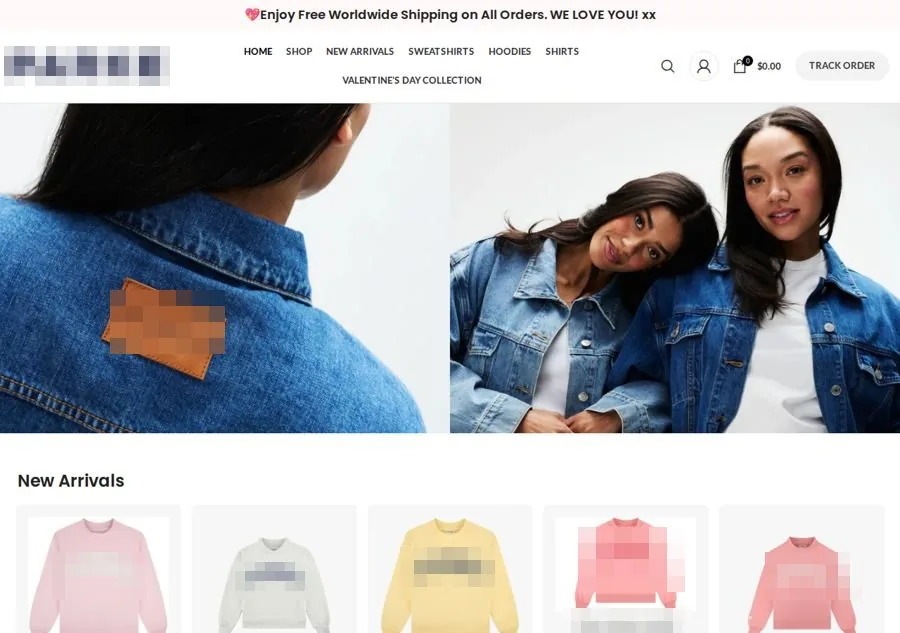
The most useful mistake we've made so far: a domain our scanner scored as a near-certain clone, which turned out to be a legitimate business on another continent.
The near miss
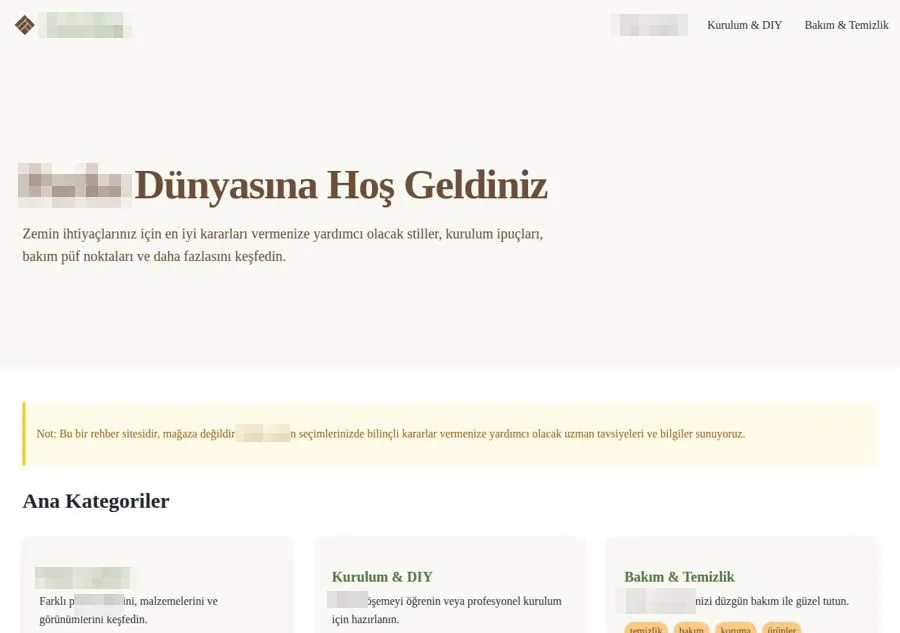
The domain carried the brand's exact word and sold physical goods. Scored high. We looked at it ourselves while building the scanner, and found a flooring company in another country, sharing the brand's word in its own language, selling floors. A tool that counts matches would have reported it as a copy, and a wrongful report is not a rounding error: it exposes the brand to real risk.
We tried to teach the machine. It didn't take.
We wrote two rules to catch the case automatically. One let the innocent company through but also let through a real clone that hadn't started selling yet. The other caught the clone and kept flagging the innocent company. The honest conclusion: this is not a decision a scanner should make on its own. The scanner now marks the doubt with “this may be a different line of business”, keeps it out of the count, and leaves the call to you.
The same lesson, on Amazon
A search for one brand's signature product returned a full page of results without the brand itself on it. A padding tool would report every one of them as a copy. Most were legitimate businesses in the same category. Counting them makes a report longer, not truer.
What this buys you
Three kinds of look-alikes we have caught in testing and let go: a similar silhouette, a competitor in your category, and a business that happens to share your word in another language. Every finding that does reach you has cleared the three gates (marks, capture, your call), and every doubtful one is shown as doubtful.